
10 Ways Dog Owners Show Off Their Breed Pride Beyond Instagram
Dog owners are some of the proudest people on the planet. If you have ever met someone who truly loves their dog, you already know they do not just “own a dog.”
Choose a dachshund coat that fits your dog’s long back and deep chest comfortably, providing warmth without restricting movement or flexibility.
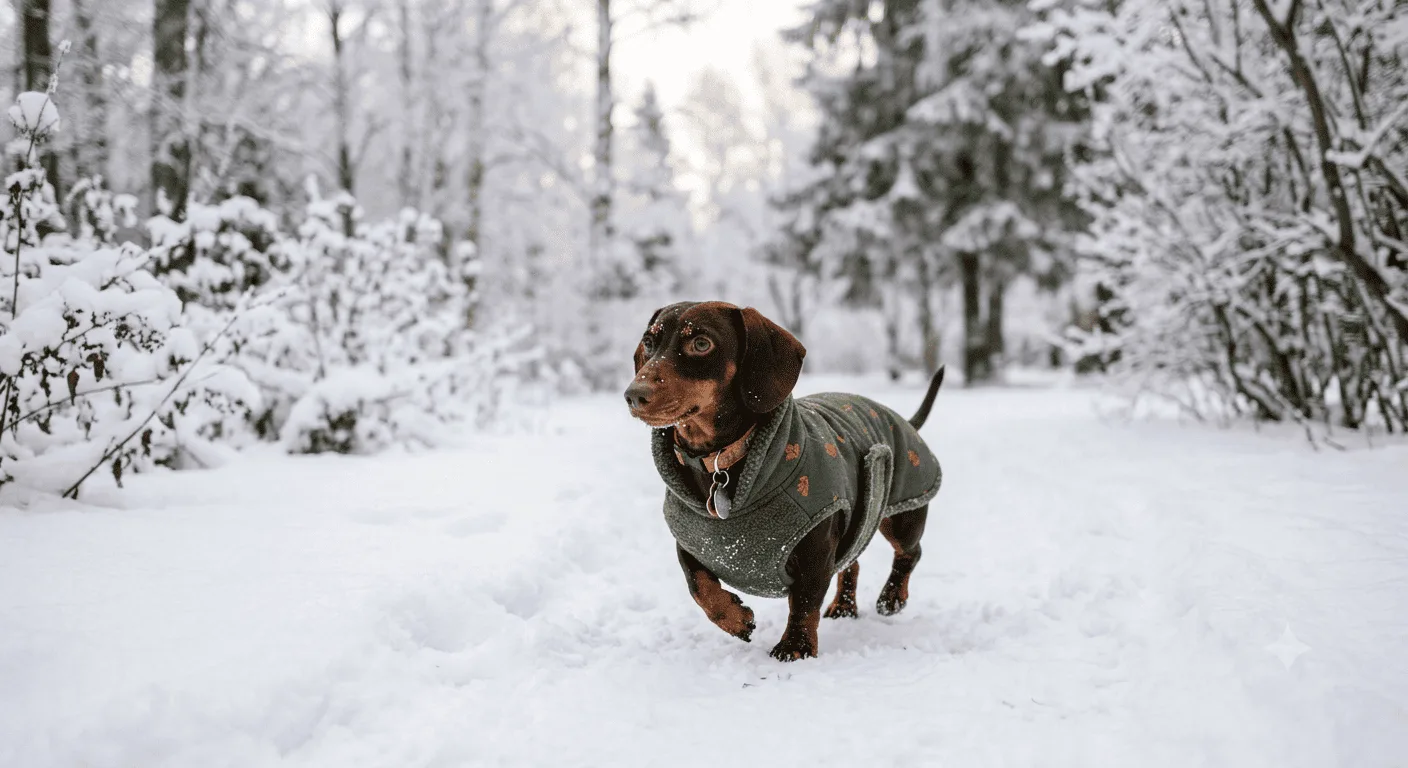
Do Dachshunds Need Coats in Cold Weather? A Complete Winter Care Guide
Dachshunds may look like small, sturdy dogs, but their unusual body shape can make cold weather a little more challenging than it is for some other breeds.
Their short legs keep their bodies close to cold or wet ground, while their long backs and relatively deep chests give them a very different shape from the average dog. That does not mean every dachshund needs a coat whenever the temperature drops, but it is worth understanding their unique needs and knowing what to watch for when the weather turns cold.
There is no single temperature threshold at which every dachshund will automatically become cold. Age, coat type, body condition, daily activity level, and each dog’s individual tolerance all play a big role. Short-haired dachshunds will feel cold far faster than long-haired or wirehaired individuals, and senior dogs or puppies tend to be much more sensitive than healthy adult dogs.
Still, a dachshund’s build alone makes them more vulnerable to chill.
Their short legs hold their bellies and chests low to the ground, where they are directly exposed to freezing pavement, damp grass, melting snow, and cold wind. On a windy, rainy, or frosty day, even a short walk can feel uncomfortable. Many owners underestimate this factor, because their dog’s torso may feel warm while their underside stays cold.
Dachshunds cannot tell us when they feel uncomfortable, so owners need to learn to read their body language carefully. Common warning signs include repeatedly lifting paws off cold ground, obvious shivering, slowing down significantly, and trying to turn back toward home early during walks.
Some dachshunds will tuck their tail, hunch their back, curl up tightly, or press against your legs to seek warmth.
Shivering is one of the clearest red flags. Once you spot shivering, it is time to head indoors right away. Do not wait until your dog is visibly shaking badly before ending the outing. Prolonged cold exposure can raise their risk of hypothermia, even on days that do not feel frigid to us.
A coat is not required for every cool-weather walk. If temperatures are mild and your dachshund has a thick, insulating coat, they may stay perfectly comfortable without extra layers.
Coats become most helpful on cold, windy, damp days, or for early morning and late evening winter outings. They are especially beneficial for older dachshunds, young puppies, dogs recovering from illness or surgery, and dogs with low body fat or very thin skin.
The purpose of a dog coat is not to trap too much heat and cause overheating. Its main job is to block wind, repel light moisture, and protect their chest and long back so their core stays at a safe, comfortable temperature.
Standard dog coats often fail dachshunds because of their unique proportions: long backs, deep chests and short legs. A coat that fits the chest may be too short along the spine, and simply sizing up usually creates new fit issues like slipping, loose fabric around the neck, or restricted leg movement.
Finding coats built around dachshund proportions can be tricky; dedicated breed-focused options are available at Long Back Studio. Knowing which measurements to check is the best way to find a comfortable coat for your dachshund.
When shopping, focus on three key measurements: chest girth, back length, and neck circumference.
Never rely only on weight charts, because two dachshunds of the exact same weight can have wildly different proportions. One may have a very deep barrel chest, while another has a slimmer build and an unusually long back.
A well-fitted coat should never stop your dachshund from walking freely, toileting normally, or running and playing.
It should cover their back and chest securely without pulling tight across the shoulders, sliding up toward the neck, or bunching around their legs when they move.
Even with a properly fitted coat, you should limit time outside during freezing, icy, or blustery weather.
After every winter walk, check their paw pads carefully for ice clumps, road salt, small cracks, or soreness. Salt and de-icing chemicals can irritate paw skin and cause pain.
Many dachshund owners use protective paw wax or dog booties for the harshest conditions.
Indoor spaces can also be cold for low-slung dogs. If your home has tile or concrete floors and the heating runs low, your dachshund may appreciate a warm bed or blanket even when they are not heading outside.
Every dachshund is different. By learning to recognize your dog’s cold cues and prioritizing clothing made for their special body shape, you can keep winter walks safe, calm, and enjoyable for both of you all season long.
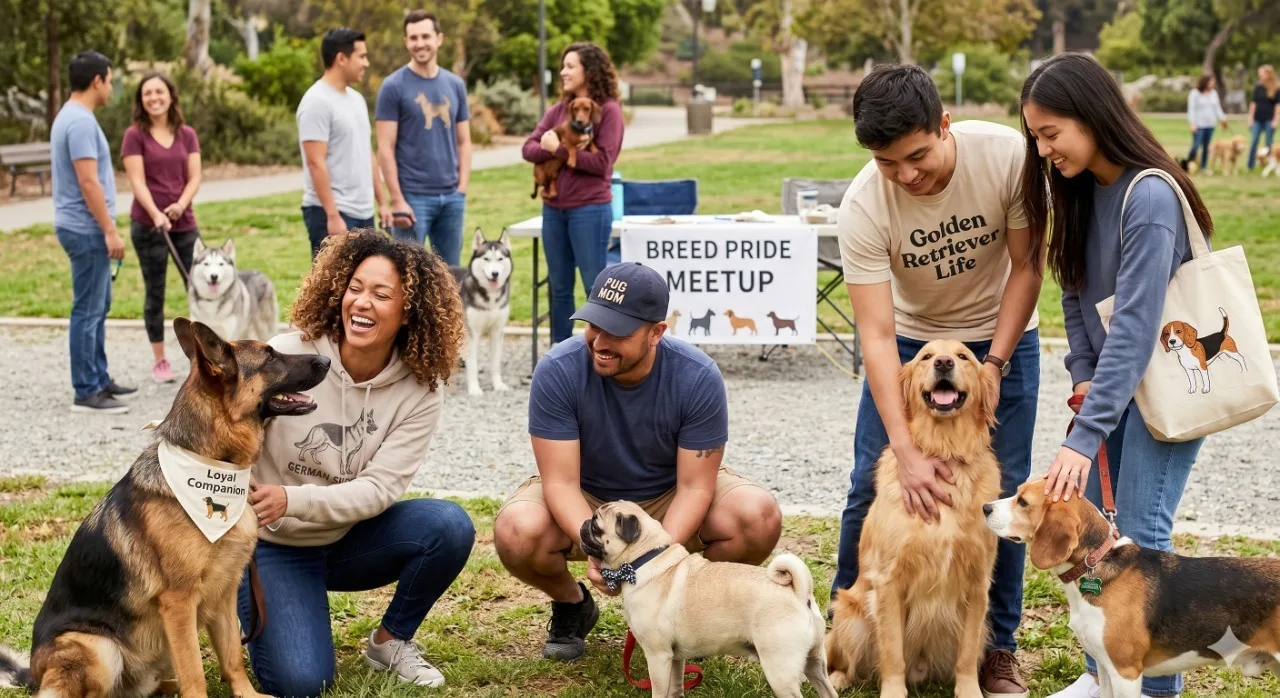
Dog owners are some of the proudest people on the planet. If you have ever met someone who truly loves their dog, you already know they do not just “own a dog.”
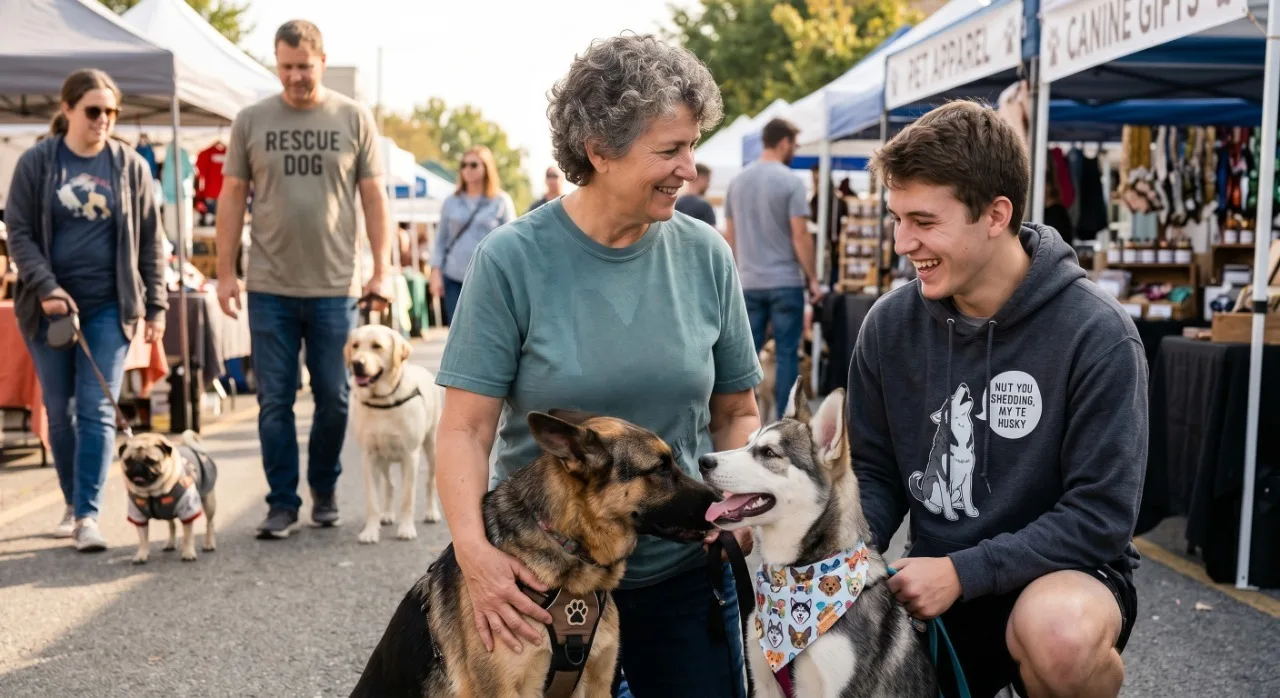
Dog lovers have always found ways to show pride in their favorite breeds. Some people collect mugs, bumper stickers, ornaments, or framed photos
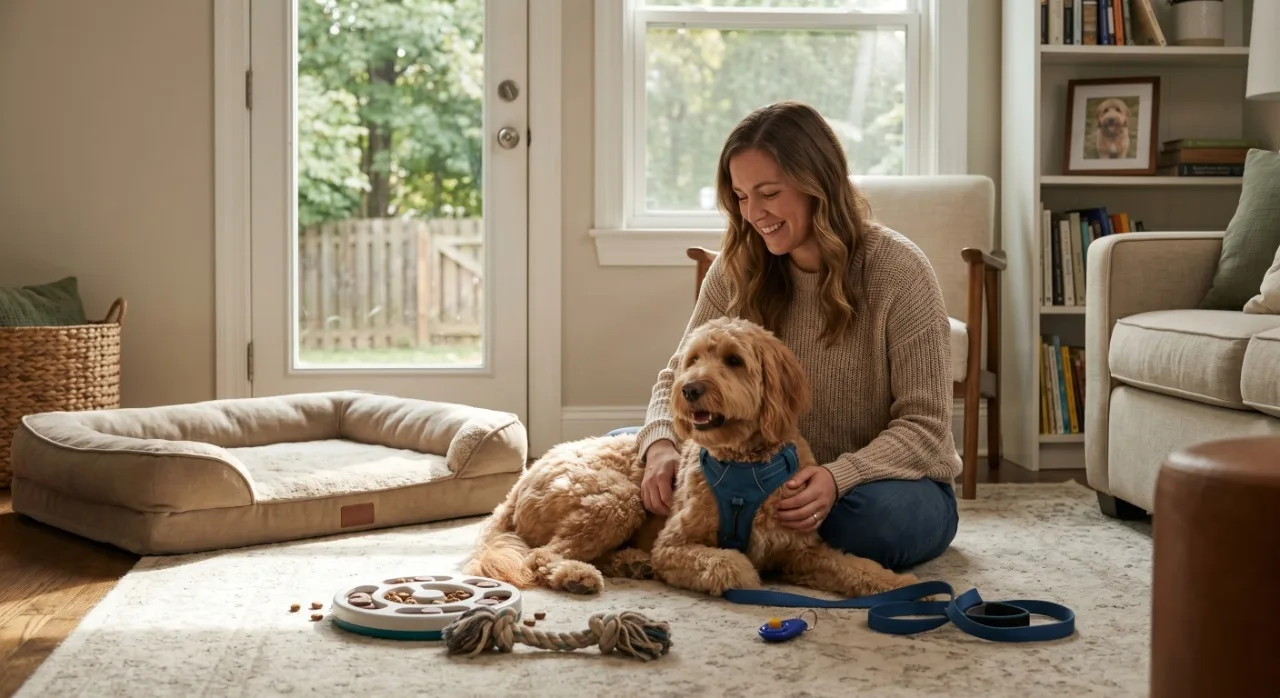
Learn how to raise a happier, better adjusted dog with simple routines, positive training, mental enrichment, exercise, and socialization tips that build confidence and trust.